Acreage Clearing in Atlanta, GA
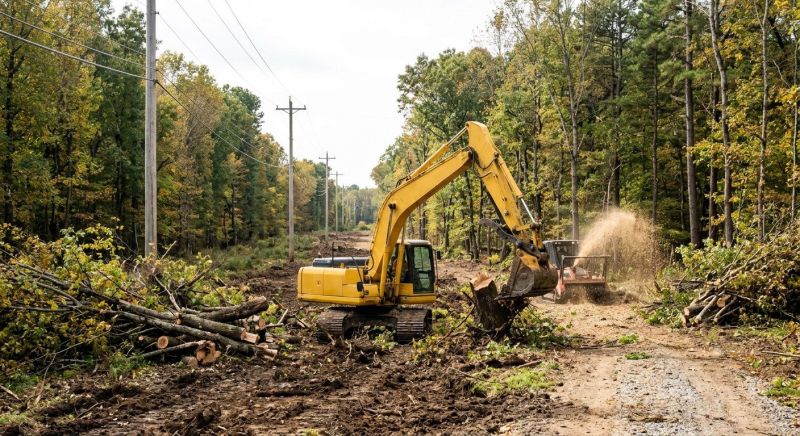
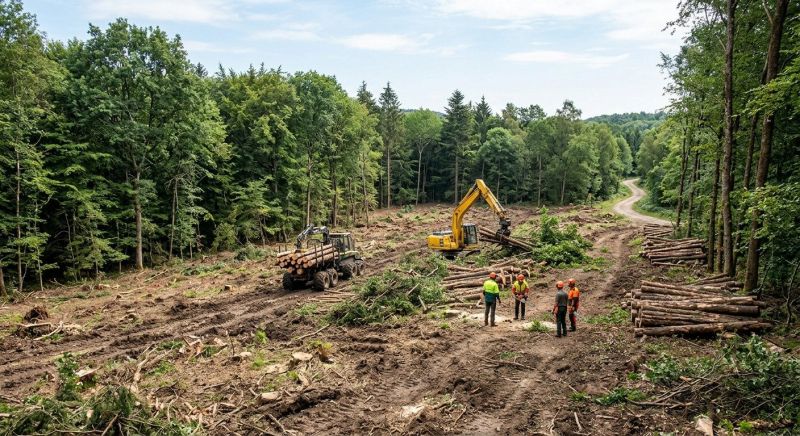
Acreage clearing services involve removing trees, brush, stumps, and other vegetation from large parcels of land to prepare the property for development, landscaping, or other projects. This process typically includes grading, debris removal, and sometimes earthmoving to create a clean, accessible space. Property owners often request acreage clearing when planning new construction, installing septic systems, creating pasture or recreational areas, or simply reducing overgrown land to improve safety and aesthetics.
Before requesting acreage clearing, property owners should consider the size and topography of the land, as well as any local regulations or permits required for vegetation removal and land alteration. It’s also important to identify potential obstacles such as large trees, rocks, or utility lines that may affect the scope of work. Clear communication about project goals and property conditions can help ensure the clearing process meets expectations and prepares the land effectively for its intended use.
Many property owners in Atlanta, GA look into Acreage Clearing for repairs, replacements, upgrades, and appearance-related improvements.
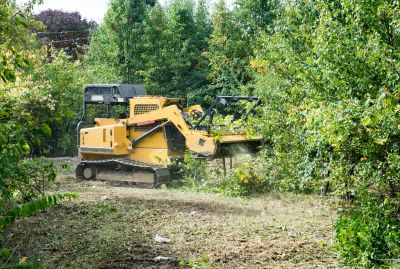
Property Preparation For Development
Acreage clearing helps prepare land for construction, farming, or recreational use.
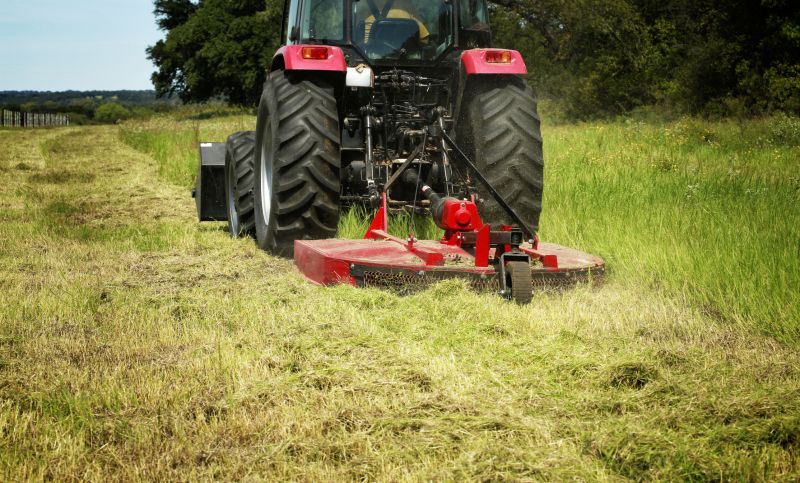
Removal Of Unwanted Vegetation
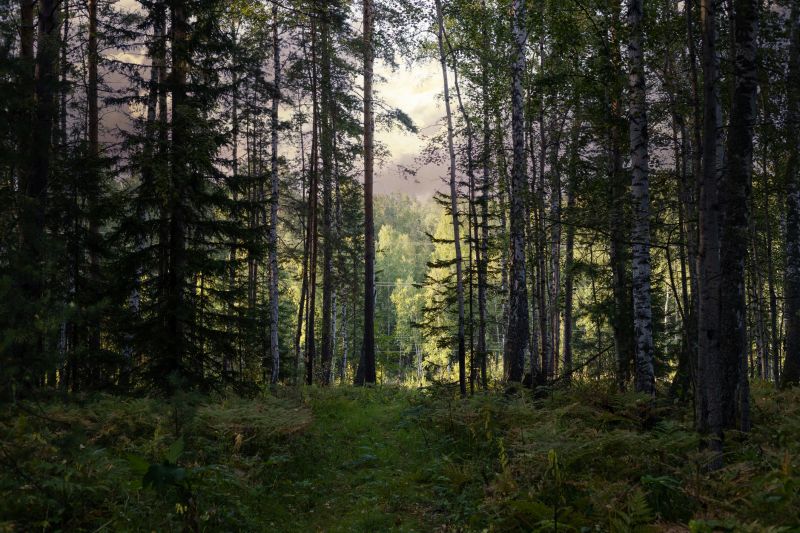
Clearing services efficiently remove trees, shrubs, and underbrush to open up the land.
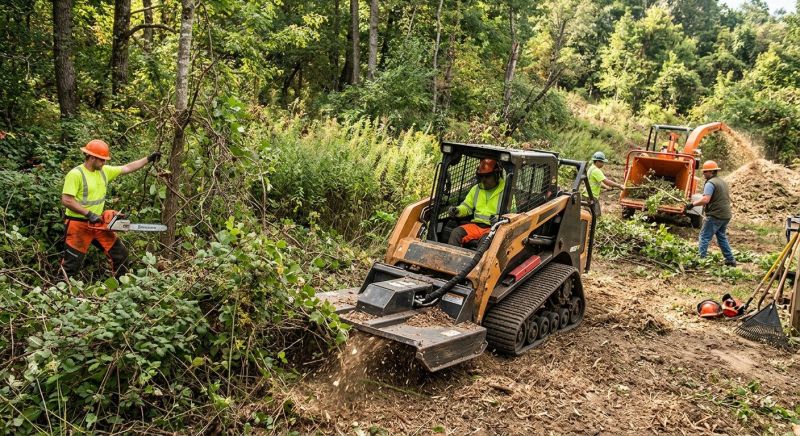
Land Management And Maintenance
Regular acreage clearing supports ongoing property upkeep and prevents overgrowth in atlanta, ga.
Acreage Clearing in Atlanta, GA

Acreage clearing services involve removing trees, brush, stumps, and other vegetation from large parcels of land to prepare the property for development, landscaping, or other projects. This process typically includes grading, debris removal, and sometimes earthmoving to create a clean, accessible space. Property owners often request acreage clearing when planning new construction, installing septic systems, creating pasture or recreational areas, or simply reducing overgrown land to improve safety and aesthetics.
Before requesting acreage clearing, property owners should consider the size and topography of the land, as well as any local regulations or permits required for vegetation removal and land alteration. It’s also important to identify potential obstacles such as large trees, rocks, or utility lines that may affect the scope of work. Clear communication about project goals and property conditions can help ensure the clearing process meets expectations and prepares the land effectively for its intended use.
Many property owners in Atlanta, GA look into Acreage Clearing for repairs, replacements, upgrades, and appearance-related improvements.
Common Acreage Clearing Jobs
Brush removal - clearing overgrown vegetation to improve property appearance and safety.
Tree clearing - removing unwanted or hazardous trees to protect structures and power lines.
Stump grinding - eliminating leftover stumps to create a smooth, usable yard space.
Land clearing - preparing land for new construction or landscaping projects.
Debris removal - clearing away fallen branches, leaves, and other yard waste.
Selective clearing - maintaining specific areas while preserving trees and natural features.
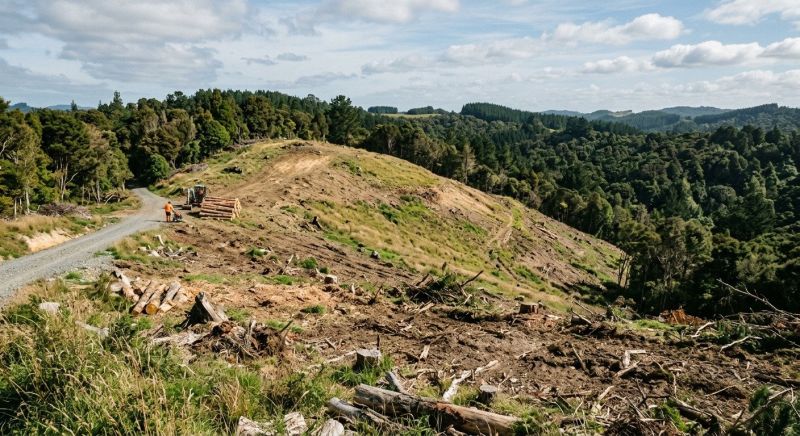
Acreage Clearing Questions
What types of acreage clearing projects are common? Projects often include removing trees, brush, and debris to prepare land for construction, farming, or development.
How does acreage clearing benefit property owners? Clearing improves land accessibility, enhances safety, and creates a suitable space for future use or development.
What equipment is typically used for acreage clearing? Heavy machinery such as bulldozers, excavators, and stump grinders are commonly employed to efficiently clear large areas.
Is acreage clearing suitable for different types of land? Yes, it can be performed on various terrains, including wooded lots, overgrown fields, or uneven land areas.
Request Acreage Clearing in Atlanta, GA
Use the quote form on this page to share the basics of your project and request more information for the type of work you need.